
5 Everyday Foods for a Healthy Heart
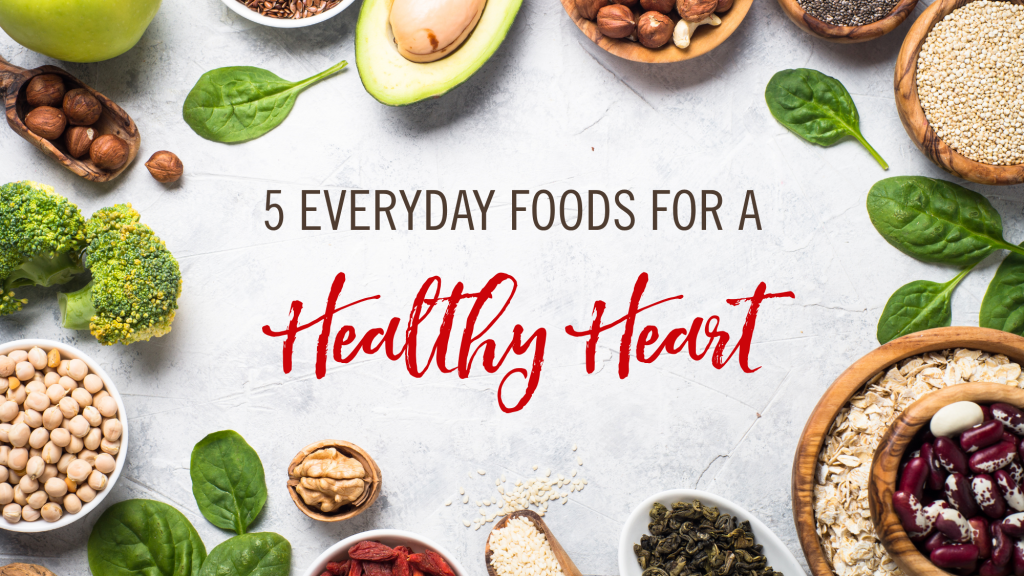
When it comes to protecting the heart, it’s easy to get caught up in headlines promoting the latest “superfood” or supplement. But the truth is, some of the best foods for heart health are probably already in our kitchen.
Every meal is an opportunity to nourish our heart. The foods we choose consistently can help support healthy cholesterol levels, blood pressure, blood vessels, and overall cardiovascular health. While no single food is a magic solution, many everyday foods contain nutrients that work together to help keep your heart healthy for years to come.
That’s the idea behind Food is Medicine. Simple, nourishing foods can play a powerful role in protecting the longevity of our heart and reducing the risk of chronic disease over time.
The best part? These foods are affordable, familiar, and easy to incorporate into meals you may already be making. Let’s take a look at five everyday foods that deserve a regular place on our plate.
-
Oats
Oats are one of the most well-researched foods for heart health, thanks to a special type of soluble fiber called beta-glucan.
As beta-glucan moves through the digestive system, it binds to cholesterol (like a sponge) and helps remove it from the body. This can help lower LDL (“bad”) cholesterol, one of the major risk factors for heart disease. Oats also promote fullness and help support steady blood sugar levels, making them a satisfying way to start the day.
Ways to enjoy oats:
- Make overnight oats for busy mornings.
- Enjoy a warm bowl of oatmeal topped with berries and nuts.
- Blend oats into smoothies for extra fiber.
- Add oats to homemade muffins, pancakes, or even meatballs.
Looking for inspiration? Try some of our other favorite recipes:
-
Beans and Lentils
Beans and lentils are nutritional powerhouses that deserve a regular spot on the plate.
They’re naturally high in fiber and plant-based protein while being low in saturated fat. Together, these nutrients can help improve cholesterol levels, support healthy blood pressure, and keep you feeling full longer.
They’re also incredibly affordable, making them a heart-healthy choice that’s easy on your grocery budget.
Ways to enjoy beans and lentils:
- Toss them into salads.
- Add them to soups or chili.
- Stretch taco meat further by mixing in a can of black beans.
- Blend white beans into a creamy dip or enjoy hummus with vegetables.
Need a recipe to get started? Try our Plant Power Bowl, packed with fiber, color, and flavor.
-
Berries
Whether you prefer blueberries, strawberries, raspberries, or blackberries, berries offer impressive benefits for your heart.
These colorful fruits are rich in fiber, vitamin C, and naturally occurring plant compounds called polyphenols, particularly flavanols. These antioxidants help reduce oxidative stress and inflammation while supporting healthy blood vessel function.
Research suggests that eating a handful of berries every day can help lower blood pressure, improve cholesterol levels, and support healthy blood vessel function. You may have heard the saying, “An apple a day keeps the doctor away.” While we can’t promise that, a daily handful of berries certainly gives your heart something to smile about.
Ways to enjoy berries:
- Layer them into yogurt parfaits.
- Blend them into smoothies.
- Stir them into oatmeal.
- Keep frozen berries on hand to enjoy year-round.
Try these Summerfield favorites:
-
Nuts and Seeds
Nuts and seeds are small but packed with nutrients that benefit heart health.
They provide heart-healthy unsaturated fats, fiber, plant protein, vitamins, and minerals. Walnuts are especially notable because they contain plant-based omega-3 fats, while flaxseed and chia seeds provide additional fiber and omega-3s.
Research has shown that eating about ¼ cup (a handful) of tree nuts each day can lower LDL cholesterol by approximately 5–10%, making this a simple habit with meaningful benefits.
Ways to enjoy nuts and seeds:
- Sprinkle chia, flax, or pumpkin seeds onto oatmeal or salads.
- Stir nuts into yogurt or make chia pudding.
- Make your own trail mix.
- Spread peanut or almond butter on whole grain toast.
- Pair apple slices or celery with peanut butter for a satisfying snack.
Looking for another option? Try our Chewy Cinnamon Seed Snacks.
-
Leafy Greens
Leafy greens like spinach, kale, arugula, and Swiss chard are some of the most nutrient-dense foods you can eat.
They’re rich in potassium, folate, fiber, and naturally occurring nitrates, nutrients that help support healthy blood pressure and improve blood vessel function. They’re also versatile and easy to add to meals without changing the flavor very much.
Ways to enjoy leafy greens:
- Blend spinach into smoothies.
- Stir greens into soups or pasta dishes.
- Build salads with a variety of mixed greens.
- Sauté spinach or kale as a quick side dish.
Need a new recipe? Our Farro Salad with Spinach, Chickpeas, and Cranberries is a delicious way to add more greens to your plate.
Your Heart-Healthy Challenge
Choose an idea to incorporate into meals this week:
- Start your morning with oats.
- Add beans or lentils to taco night.
- Enjoy a handful of nuts for an afternoon snack.
- Top your breakfast with fresh or frozen berries.
- Add spinach to a sandwich, smoothie, soup, or pasta dish.
You don’t have to do them all. Pick one, build the habit, and let those small changes grow over time.
Takeaway
If there’s one takeaway from this list, it’s this: no single food protects your heart on its own. Food is one of the most powerful tools we have to support our health. Lasting heart health isn’t built by one perfect meal; it’s built by the everyday choices we make over time. By regularly adding foods like those highlighted in this blog to your plate, you’re investing in the long-term health and longevity of your heart.
If you’re looking for personalized guidance on eating patterns that support lifelong heart health, our Registered Dietitians are here to help! Contact us to get started today!
Sources
- Basu A, Rhone M, Lyons TJ. Berries: Emerging Impact on Cardiovascular Health. Nutrition Reviews. 2010;68(3):168-177.
- Del Gobbo LC, Falk MC, Feldman R, et al. Effects of Tree Nuts on Blood Lipids, Apolipoproteins, and Blood Pressure: Systematic Review, Meta-analysis, and Dose-response of 61 Controlled Intervention Trials. American Journal of Clinical Nutrition. 2015;102(6):1347-1356.
- Ras RT, Geleijnse JM, Trautwein EA. LDL-Cholesterol-Lowering Effect of Plant Sterols and Stanols Across Different Dose Ranges: A Meta-analysis of Randomized Controlled Studies. British Journal of Nutrition. 2014;112(2):214-219.
- U.S. Food & Drug Administration. Health Claim Notification for Soluble Fiber from Whole Oats and Risk of Coronary Heart Disease.
- American Heart Association. Heart-Healthy Eating Patterns.
