
Berries: Nature’s Nutritional Powerhouses
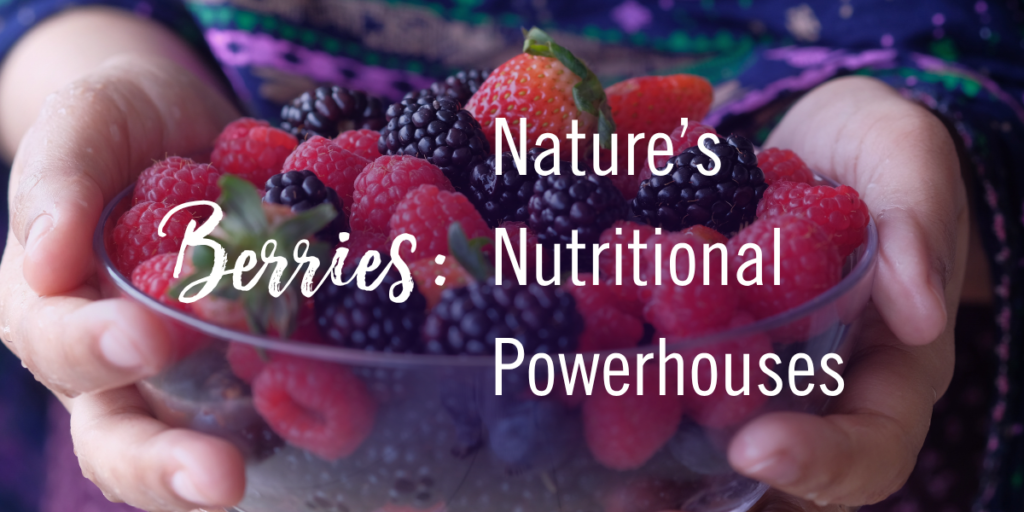
Most dietitians will agree that the label “superfood” is primarily used as a marketing tool. Berries, however, are nutritional powerhouses that certainly earn the super title. The best part is, you don’t have to seek out the exotic berries, like acai or goji, to reap countless benefits. Blueberries, blackberries, raspberries, strawberries, and cranberries contribute to total body health in a variety of ways, and they’re available in your local grocery produce and frozen food departments.
Broad Benefits of Berries
All produce offers health benefits, so what sets berries apart? Their deeply vibrant red and blue hues indicate a high antioxidant content. Antioxidants are naturally occurring compounds in the berries that protect the body from damage created due to regular metabolic processes. If the body doesn’t have this protection, there is an increased risk for health conditions, such as heart disease, cancer, and cognitive disorders, to develop and progress. Berries are some of the richest sources of antioxidants we can eat, and by having them often, we’re protecting our bodies at the cellular level.
What else do we know about the protective compounds in these deliciously sweet and tart fruits? Berries contain anthocyanins, the pigment that provides a deep blue, purple, and red color, which aids in reducing inflammation and protecting the heart, but blueberries are said to be the highest source. Ellagic acid is highest in raspberries and strawberries and has been studied for its potential role in cancer prevention. Raspberries and blackberries are the highest fiber berries, providing 8 grams in 1 cup! Cranberries, known for their tart flavor, are the lowest in sugar and have been shown to benefit urinary health. 1 cup of strawberries provides 100% of the daily recommendation for vitamin C, supporting immune function.
Berries and Inflammation
Inflammation is a necessary and beneficial immune process in the body. Polyphenols, one of the types of antioxidants found in berries (as well as walnuts, flaxseeds, dark chocolate, olive oil, and spices) are compounds that help to buffer the immune response. This ensures the body doesn’t create an ongoing response, which could lead to chronic inflammation and increase disease risk.
Free radicals are potentially harmful byproducts created by cellular processes, and antioxidants in berries help to neutralize these. A commonly used analogy for this is the image of Pac-Man (the “good guy”) tracking down and consuming free radicals (the “ghosts”) to keep these unstable molecules from doing harm in the body.
Berries also reduce inflammation by fueling our microbiome, the community of bacteria and yeast that exists within our intestines. Fiber and polyphenols feed beneficial bacteria in the intestinal tract, promote a greater variety of good bacteria, and support the intestinal lining (which can be damaged by medications, high sugar intake, ultra-processed foods, high fat intake, alcohol consumption, and infections). Since everything we eat passes through our digestive tract, regularly consuming fiber-rich foods (like berries) helps protect this tissue at the cellular level.
Berries and Heart Health
Chronic inflammation is also a contributor to cardiovascular disease. Studies have shown that consuming berries regularly aids in cholesterol reduction, improves blood pressure values, and promotes optimal blood vessel function. These benefits come from the berries’ antioxidant compounds working directly on the cells and tissues in the cardiovascular system (heart, blood, and blood vessels). Berries are also a source of potassium, which helps blood vessels relax and regulates the electrical signals that tell the heart to beat. The folate in berries plays an essential role in breaking down homocysteine, an amino acid that can damage artery walls and increase risk for blood clots.
Berries, the Brain, and Cognitive Function
When it comes to brain health, much of the research has been done on blueberries and blueberry-based supplements. Improvements in memory, attention, information processing speed, and blood flow have all been noted. One study on older adults found that a high intake of strawberries was associated with a lower risk of developing Alzheimer’s dementia. This protection was linked to the concentration of anthocyanidins and flavonoids (more antioxidants!). What’s surprising is that the amounts of berries needed to reap benefits, according to the observational research data, are fairly modest at 1 serving per week of blueberries and 2 servings per week of strawberries.
Fresh vs Frozen vs Supplements
To reap the benefits of berries, eating them regularly is key. Fresh berries are in peak season late spring through early fall, depending on your location. Despite their availability in stores year-round, this is the best time to enjoy them fresh for the best quality and nutrient content. Fresh is often preferred for produce thanks to the flavor, texture, and versatility in recipes. This is certainly the case with berries. But they do tend to go bad quickly thanks to their delicate flesh and high moisture content. Frozen berries are an affordable alternative for the months when fresh berries aren’t at their peak. Frozen produce is picked at the peak of ripeness and is often more affordable. Though frozen produce does have the drawback of texture and less versatility, knowing which recipes work best with frozen berries ensures maximal enjoyment.
Inspiration for Adding More Berries
Berries make awesome additions to salads, smoothies, oatmeal, yogurt, pancakes and waffles, muffins, fruit crisps and cobblers, ice cream, and simply for snacking!
Check out these recipes from our Summerfield Healthy Insights Blog:
Blueberries – Fiber-full blueberry oatmeal; Blueberry lemon fizz mocktail; Berry banana smoothie
Raspberries – Berry chia jam; Eat the rainbow fruit salad
Strawberries – Easy strawberry salad; Sweet and green summer salad
Blackberries – Fruit salsa; PB&J smoothie
Cranberries – Cranberry orange relish; Cranberry almond shortbread bars
