
Success with GLP-1s
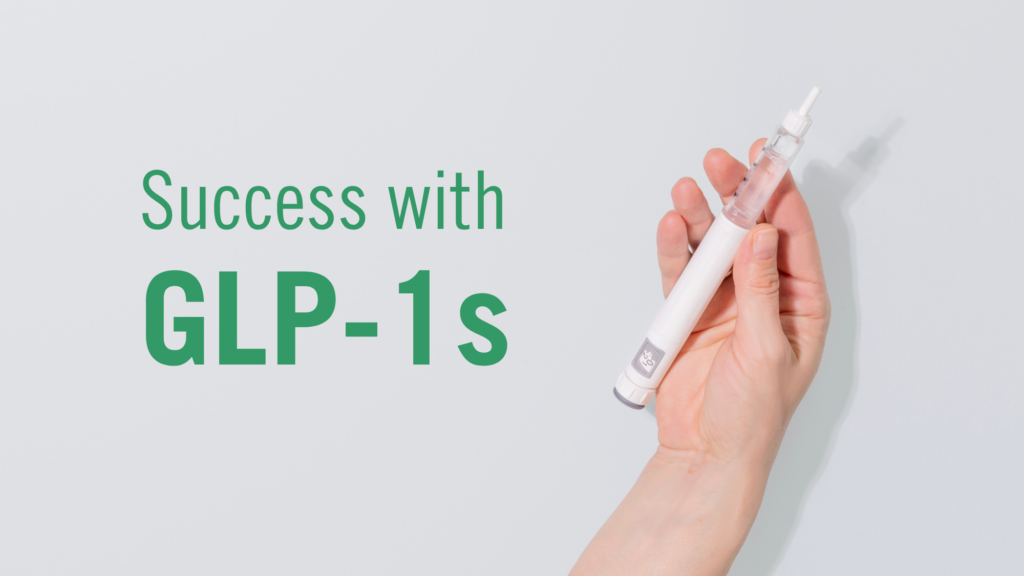
GLP-1 (glucagon-like peptide-1) receptor agonists have become very widely available and commonly used, especially for weight loss. They are a class of medications that act like a natural hormone in the body to help regulate blood sugar levels, appetite, and reduce body weight. Common brand names include Ozempic, Wegovy, Zepbound, and Mounjaro. These medications have the potential to improve health metrics for disease prevention or management, with some of the original medications being studied and utilized for the management of type 2 diabetes. Despite increasing use and availability, these drugs also present challenges related to adequate nutrition and side effects throughout the body. It’s essential to work with a knowledgeable healthcare provider, such as a Registered Dietitian, to maximize the benefits of these medications while maintaining optimal support for your body and overall health.
Medication as a Tool
As with most medications, the goal is for these to be tools paired with lifestyle changes to support long-term health and weight loss maintenance. Without supportive changes in nutrition, exercise, optimizing sleep, and managing stress, many may find it difficult to achieve and maintain the weight loss they desire. There are also health risks for individuals who lose weight too quickly, some of which will be detailed throughout this article. And because making changes to habits and behaviors isn’t easy, partnering with a dietitian is the gold standard for achieving safe, effective, long-term weight loss results. Many of our Summerfield dietitians are highly knowledgeable and skilled at assisting patients on any weight loss journey, and they have additional expertise related to the specific challenges individuals face when using GLP-1s.
Nutrition Challenges and Strategies
The primary way these medications work is by impacting hunger, fullness, and digestion, meaning the desire and frequency of eating usually decrease with use. This, in turn, leads to lower total energy (calorie) intake. While this can be an aspect of successful weight management, eating less isn’t always better. Gaps in nutrition can arise, which may lead to insufficient macronutrient (carbohydrates, protein, and fat) and micronutrient (vitamins and minerals) intake.
When rapid weight loss occurs, that weight is not only in the form of fat mass. The body will break down muscle for fuel as well when our energy (caloric) needs aren’t met. To prevent muscle breakdown, prioritizing dietary protein is key. To preserve muscle mass while using a GLP-1 medication, recommendations advise patients to consume 1.2-1.6 grams of protein per kg of body weight daily (or roughly 90-120 grams), aiming for 30-40 grams per meal. However, with a diminished appetite, this can be quite challenging as protein is a nutrient that keeps us fuller longer. This can lead many individuals to struggle to eat enough each day and fall short of meeting their needs. General guidelines suggest eating smaller amounts more often and ensuring a source of protein is present at each meal and snack as two strategies to boost protein intake.
Micronutrient deficiencies can also occur, with studies showing over 20% of individuals who use these medications experiencing at least one deficiency within 12 months. Commonly deficient nutrients identified were vitamin D, B vitamins, iron, and calcium. Supplementation can offer some benefits for bridging gaps, but science shows that the body responds differently to nutrients found in whole foods, so supplements cannot replace a balanced diet. Anyone utilizing GLP-1s will be best supported on this journey by partnering with a dietitian for a customized plan to meet your specific nutrient needs, health goals, and lifestyle.
Protect Lean Tissues
Preserving lean mass during weight loss isn’t just about protein; it’s also about engaging in the right type and amount of exercise. Strength and resistance training have been shown to prevent muscle breakdown during rapid weight loss. This is key for a few reasons. First, muscle is a driver of metabolism, so losing it reduces your metabolic rate, making it more challenging to maintain an optimal weight range and prevent regain. Second, higher muscle mass supports insulin sensitivity, which reduces the risk for type 2 diabetes and metabolic syndrome (conditions GLP-1s aim to manage and prevent). Third, muscle mass supports daily activities, keeps the body more mobile, reduces the risk of falls, and is linked to greater independence later in life. As the old saying goes, “if you don’t use it, you lose it,” and this is true for muscle mass.
What’s required to reap these benefits? Engaging in 2-4 strength training sessions per week focused on compound exercises, such as squats, deadlifts, and rows. If someone isn’t sure where to start, consulting a trainer or using one of the many strength-training apps will offer safe, appropriate guidance for individual fitness levels.
Medication Side Effects & Symptoms
Because these medications are altering natural processes in the body, side effects are common. Some people report experiencing these for a short period upon starting the medication and whenever there is a dose increase. Others have experienced persistent symptoms that vary throughout the duration of their use. Estimates show between 5% and 15% of users discontinue the medication due to the severity of side effects. Data shows that tolerance is highly individual and depends mostly on the dosing schedule.
The most common symptoms reported include nausea, vomiting, diarrhea, constipation, and abdominal pain. General strategies can be implemented to manage individual symptoms, but this can become more complicated when multiple symptoms arise, especially if food intake is low, which can lead to fatigue, blood sugar swings, poor sleep, and impact day-to-day functioning. For these reasons, a gradual increase in dosage is recommended, as it is associated with fewer severe side effects. Working with a dietitian will also allow for customization of meal and snack timing and pairings to minimize discomfort, reduce nausea, optimize hydration, and support adequate intake.
It comes as a surprise to some that not eating enough can be a reason for worsening symptoms as well as a stall in weight loss. In our practice, we’ve supported patients in slowly increasing their food intake while taking GLP-1s and seen how this reduces digestive discomfort and allows for continued weight loss. Even though these medications serve to reduce appetite, less is not always better, and even if it feels “ok” to skip a meal, that may actually mean our bodies’ nutritional needs aren’t being met.
Long Term Success
Medications are a tool, one piece of a health and weight loss journey. They’re a tool that cannot be used in isolation for long-term success and total body health. A strategic approach to nutrition, regular resistance training, stress management, and sleep optimization are all key components of the plan.
Regardless of where someone is in their GLP-1 journey, working with a Summerfield dietitian will enhance their long-term success. Our dietitians empower patients to achieve their goals and feel their best along the way. It’s okay for weight loss to take some time, for new habits to be built, and for old or unsupportive patterns to be remodeled. Some individuals find that these medications highlight the role that food played in their lives to meet other needs, such as soothing challenging emotions, managing stress, or filling a void. Adjusting the role of food in these dynamics means finding alternative coping strategies. This can be a wonderful opportunity as well as a challenging situation to navigate alone. Addressing these dynamics before stopping a GLP-1 medication can aid in long-term success with both weight loss maintenance and an optimal relationship with food. Contact us to partner with a dietitian on your journey.
