
Supporting a Breastfeeding Mom’s Health
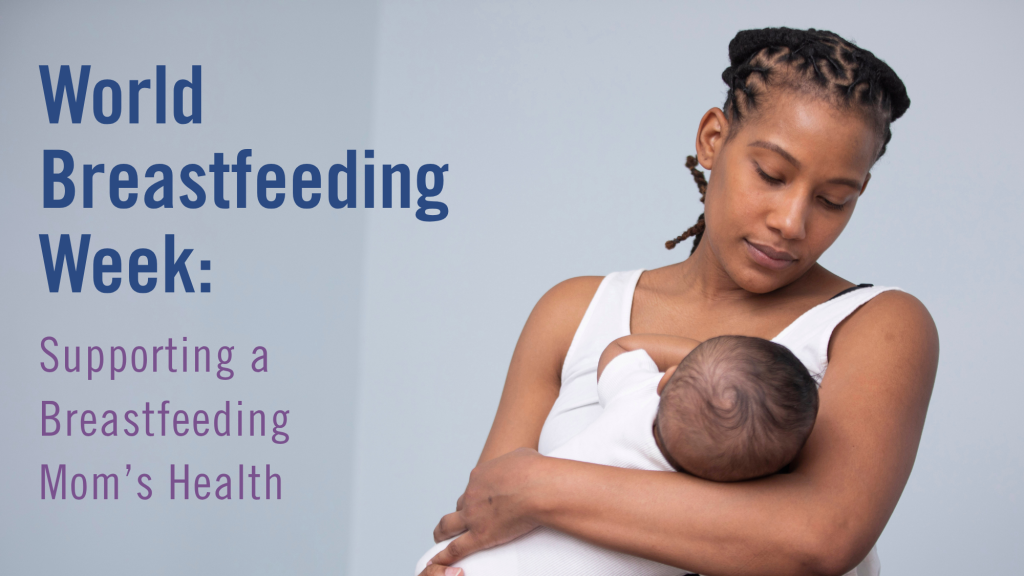
World Breastfeeding Week is in the first week of August, and it’s a great time to talk about how to support breastfeeding moms as they navigate feeding their babies during the postpartum period. Exclusively breastfeeding moms spend an average of about 3 to 5 hours each day breastfeeding their infant in the first 3 months of life.1 The benefits of all this time and energy spent breastfeeding are widely recognized for both baby and mom. However, due to the demands of an infant, it is easy for moms’ health to be overlooked. We want to offer practical ways to support moms’ health on their breastfeeding journeys.
Adequate Nutrition
Just as in pregnancy, energy needs in the form of calories are increased while breastfeeding.2 These higher energy needs not only meet the nutritional requirements of mom but also support milk production. However, it can be challenging to prioritize nutrition or even find time to eat, given the demands of caring for a baby and potentially other children or family members. Here are some practical ways to ensure Mom is meeting her nutrition needs while breastfeeding:
- Following a schedule for meals and snacks. Having set times to eat can help create a routine, so meals are not simply forgotten in the busyness of the day. Setting an alarm as a reminder of mealtimes can be helpful.
- Keeping nutritious snacks on hand and within easy reach. Create a breastfeeding basket near the usual nursing or pumping spots and stock it with favorite shelf-stable snacks. If “nap-trapped” during snack or mealtime, this ensures Mom is able to have something nearby to help meet her energy needs.
- Having freezer meals on hand. Have some easy meal options available for those days when energy is low, or there isn’t time to make a meal. This could be homemade, frozen leftovers, or premade frozen meals.
- Make cooking a family activity. If possible, safely babywear the baby or place them in their favorite bouncer or swing nearby while cooking a meal. Play some music and make it a fun activity for the baby to observe. If there are older children too, consider giving them a task to help with in the kitchen or letting them do a separate special activity at the table.
- Preselect a few go-to nutritious take-out options for busy days. Take the guesswork out of take-out. On exhausting days, deciding what to eat can feel harder than the meal itself. Keep a list of a few nutritious takeout favorites so that when the inevitable “What should we get for dinner?” question comes up, there is already an answer. This can reduce decision fatigue and make it easier to choose meals that support both energy and nourishment.
Nutrients of Focus
Several important nutrients to consider while breastfeeding include protein, iron, calcium, iodine, choline, vitamin D, omega-3s, vitamin B12, and vitamin C.2,3 Eating a diet rich in eggs, lean meat, beans, dairy, seafood, fruits, and vegetables can help meet many of mom’s nutrient needs. However, it is most important to get meals on the table during this postpartum time and to reduce stress around food. Continuing to take a prenatal vitamin while breastfeeding can help ensure that no big gaps occur in nutrient intake. Vegan and vegetarian moms may need extra supplementation, such as vitamin B12, to help meet additional needs. Consider working with a dietitian to determine if additional supplementation would be beneficial.
Stay Hydrated
In addition to increased energy needs, fluid needs increase during lactation to support milk production and hydration.4,5 Breast milk is about 87% water, and exclusively breastfeeding moms produce about 780mL of breast milk per day.4 Thirst may also increase during this time due to hormonal changes. To meet these added demands, breastfeeding moms need about 800mL of extra fluid each day, with a recommended intake of about 16 cups (128 ounces) daily during exclusive breastfeeding.4,5 Fluids can come from both drinks and water-rich foods. Below are some practical ways to increase fluid intake.
- Keep water nearby and accessible throughout the day. Have a refillable water bottle handy around the house, at work, or on errands. Add water bottles to the nursing basket in case the go-to option isn’t accessible.
- Pair drinking water with feeding sessions. Try to have a glass of water available whenever nursing or pumping, so it becomes a habit.
- Change up the beverage. Incorporate herbal tea, flavored water, or sparkling water to increase fluid intake.
- Include foods that provide hydration. Hydration does not have to come from beverages alone! Try to incorporate foods that have a higher water content to meet your fluid needs, such as fruit, smoothies, and soups.
- Drink consistently throughout the day. Drinking too much fluid at one time can cause fullness and discomfort. Drinking consistently throughout the day helps sustainably meet fluid needs.
Sleep When You Can
Infants require feeding during the night, which disrupts sleep for many moms. Sleep deprivation is normal during the postpartum period. However, adequate sleep supports mom’s overall health, so it can be useful to find ways to sneak in those extra hours when possible.
- Rest or sleep when the baby takes the longest nap or while other children have childcare available. Even short periods of rest can be beneficial.
- Accept help from a partner, family, friends, or hired help. This could mean a friend watches the baby after nursing while Mom takes an hour-long, uninterrupted nap. It could mean a family member cleans the kitchen while Mom rests. Partners can share baby-related tasks, such as changing diapers at night or refilling the nursing basket with snacks, diapers, and clean burp cloths. If help is available, take advantage of it.
- Go to bed at the same time as the baby to maximize the longest window of sleep.
- Prioritize rest over productivity. If sleep was poor quality or very limited the night before, the laundry can wait one more day.
- Have pumped bottles for someone else (such as a partner) to feed the baby for one night feeding session to allow a longer stretch of sleep at night for Mom, if this is available. Consider working with a dietitian or lactation consultant to help support milk supply when doing this.
Remember that those sleepless nights won’t last forever! Sleep will improve with time and as the baby develops.
Reduce Stress
Stress leads to the release of cortisol, which is often referred to as a “stress hormone”. High cortisol levels can not only have a negative impact on a mom’s health but can inhibit milk supply and let-down.6 Incorporating some of the below stress reduction techniques can benefit mom’s overall health and milk supply.
- Carve out time to do something enjoyable each week. Consider having someone care for the baby immediately after a nursing session and take 1-2 hours to go for a walk, to a favorite coffee shop, or to chat with a friend.
- Outsource when possible. Whether it’s having someone watch the baby, taking the dog for a walk, or getting dinner delivered, take a few things off the agenda for the day.
- Stock the nursing basket. We mentioned a basket of snacks and diapers for feeding sessions. Stock it with baby’s needs and Mom’s favorite things. Some ideas to get started include diapers, wipes, diaper rash cream, burp cloths, snacks (such as trail mix, beef sticks, dried fruit, or protein bars), water bottles, remote, headphones, phone charger, book, book light, chapstick.
- Spend time outside. Even 10-20 minutes outside each day can help lower cortisol levels.7
- Try stress reduction tools. This could be meditation, gentle stretches, faith-based practices, or deep-breathing exercises.
- Task a partner, another family member, or a friend with helpful tasks. Sometimes people simply don’t know the best way to help breastfeeding moms. Assigning tasks for those who are willing to help can reduce daily stressors and give them direction on how to support Mom.
Add Movement Each Day
Another form of stress relief for many individuals is physical activity. Daily moderate-intensity physical activity is considered safe for breastfeeding moms, with no harm to milk supply or composition.8 Incorporating physical activity can also support moms’ physical and mental health during the postpartum period and lactation.
Most women who experience an uncomplicated vaginal delivery can begin light physical activity, such as walking, within a few days of delivery or whenever they are ready. For those who had complications during childbirth, a C-section, or for more strenuous exercise, ensure a healthcare provider provides clearance for physical activity before beginning. Tips for incorporating physical activity:
- Take things slow when starting out and gradually increase intensity. Childbirth is a major event for a woman’s body to go through, and it is important to allow it time to heal and recover before incorporating strenuous activity. Daily movement can be supportive even when it is gentle.
- Go for walks. This is a great form of physical activity that can include bonding time with the baby in a stroller or carrier, or provide a way for mom to socialize with a friend or neighbor. Older children can participate by walking or riding a bike.
- Do physical activity with your baby. Finding time away from the baby to exercise may be difficult, or Mom may not be ready for it yet. Gentle exercises that include the baby can be a fun way for both to move their bodies and bond.
- Mom and Baby Exercises:
The Takeaways
Keeping mom healthy during breastfeeding is just as important as keeping the baby healthy. Breastfeeding moms need adequate nourishment, hydration, rest, support, and physical activity. Small steps to support your health can have a meaningful impact on postpartum recovery. Implementing one of these tools this week is a great first step for focusing on Mom’s health in the postpartum period.
If it feels like a lot to navigate or if additional support would be beneficial, a Summerfield dietitian can help with prioritizing individual health goals and challenges on a breastfeeding journey and beyond.
Looking for inspiration for quick and easy snacks or meals to keep Mom fueled during this time? Check out our recipe blog:
- Air-Fried Chickpeas
- Peanut Butter Chocolate Dates
- Chewy Cinnamon Seed Snacks
- Banana Coconut Chia Seed Pudding
- Plate Method Breakfast Muffins
- Egg Muffins
- Breakfast Burritos
References:
- What is the range of ‘normal’ when it comes to breastfeeding? Medela. Accessed May 26, 2026. https://www.medela.com/en-us/lactation-professionals/scientific-knowledge/breastfeeding/what-is-the-range-of-normal-when-it-comes-to-breastfeeding
- Maternal diet and breastfeeding. Centers for Disease Control and Prevention. Updated March 27, 2026. Accessed May 26, 2026. https://www.cdc.gov/breastfeeding-special-circumstances/hcp/diet-micronutrients/maternal-diet.html
- Breastfeeding nutrition: Tips for moms. Mayo Clinic. March 28, 2025. Accessed May 25, 2026. https://www.mayoclinic.org/healthy-lifestyle/infant-and-toddler-health/in-depth/breastfeeding-nutrition/art-20046912.
- Mazur D, Rekowska AK, Grunwald A, Bień K, Kimber-Trojnar Ż, Leszczyńska-Gorzelak B. Impact of maternal body composition, hydration, and metabolic health on breastfeeding success: A comprehensive review. Med Sci Monit. 2024;30:e945591. doi:10.12659/MSM.945591.
- Academy of Nutrition and Dietetics. Breastfeeding and Lactation Support (2023): Comparative Standards. Nutrition Care Manual. https://www.nutritioncaremanual.org/. Accessed May 25, 2026.
- Nagel EM, Howland MA, Pando C, et al. Maternal psychological distress and lactation and breastfeeding outcomes: A narrative review. Clin Ther. 2022;44(2):215-227. doi:10.1016/j.clinthera.2021.11.007.
- A 20-minute nature break relieves stress. Harvard Health Publishing. July 1, 2019. Accessed May 26, 2026. https://www.health.harvard.edu/mind-and-mood/a-20-minute-nature-break-relieves-stress
- Calcaterra G, Sinigaglia G, Pinti M, et al. Breastfeeding and maternal exercise: A synergistic approach to improve cardiometabolic health. Clin Nutr ESPEN. 2025;70:607-615. doi:10.1016/j.clnesp.2025.10.029.
