
Back to School Lunches Made Easy
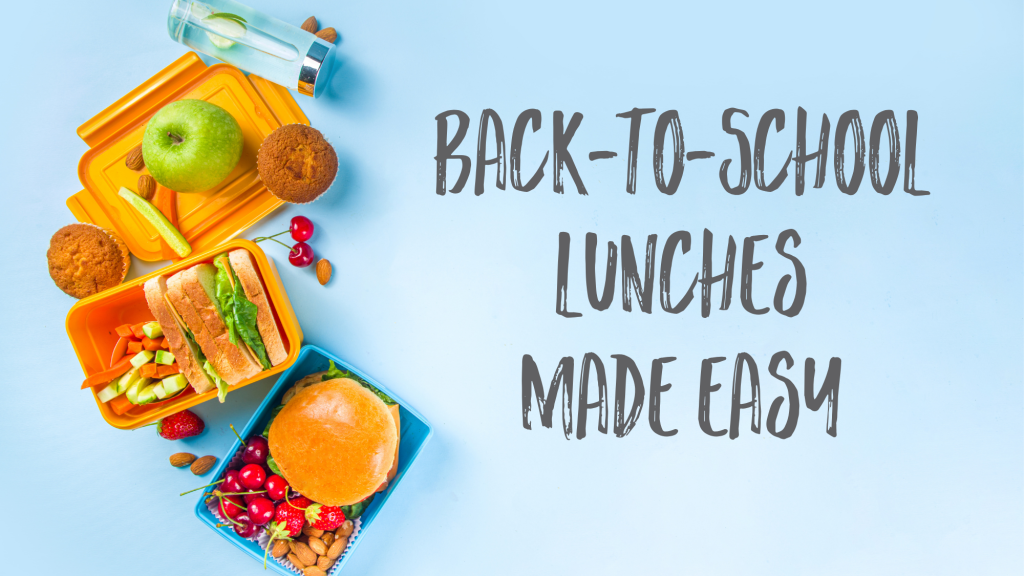
As summer comes to an end, families begin the transition back into school routines. Between adjusting to new grade levels, coordinating school drop-offs, buying school supplies, preparing for fall sports, and managing busy schedules, parents have a lot on their minds.
Packing healthy lunches often becomes just another task on an already long to-do list. While it’s known that balanced meals help support children’s energy, focus, growth, and learning throughout the school day, coming up with lunch ideas day after day can feel overwhelming.
The good news? Packing nutritious school lunches doesn’t have to be complicated. With some planning and a framework, it’s possible to build lunches that provide adequate nourishment and make mornings less stressful.
Why Nutrition Matters During the School Year
Children spend much of their day learning, playing, growing, and being active. The food packed in their lunchbox helps fuel all these important activities. Important nutrients for child development include:
- Protein supports growth and muscle development, and keeps kids feeling full between meals.
- Fiber promotes digestion and regular bowel movements while also feeding good bacteria to support the immune system
- Healthy fats support brain development and learning, as well as making meals and snacks satisfying.
- Fruits and vegetables provide essential vitamins, minerals, antioxidants, and fiber that support overall health and immune function.
- Calcium and vitamin D work together to build strong bones and teeth during periods of rapid growth.
- Iron supports energy production, healthy growth, and immune function.
- Carbohydrates are the body’s preferred source of energy and fuel learning, concentration, and physical activity throughout the school day.
Aiming to include a variety of foods in a child’s lunch box helps maintain balance and ensure nutrient needs are being met. Rather than striving for perfection every day, focus on offering a variety of foods over the course of the week.
A Formula for Building a Balanced Lunchbox
One of the easiest ways to pack lunches is to think about creating a balanced plate in lunchbox form.
Try including:
- A source of protein
- A whole grain or other carbohydrate for energy
- At least one fruit
- At least one vegetable
- A healthy fat or flavorful dip, when possible
This simple approach helps ensure your child receives a variety of nutrients without overcomplicating lunch packing.
Choosing the Right Lunchbox
The lunchbox itself can make packing easier.
For preschoolers, bento-style lunchboxes with smaller compartments work well for age-appropriate portions and encourage variety. Options like this Bentgo lunchbox offer different colors and design choices that make kids excited for lunch, while providing portioned sections.
Elementary-aged children often benefit from a larger lunch container that accommodates growing appetites and more food choices. This stainless steel option works as a great next step for elementary school.
Lunchboxes with a section for warm foods are great if a child prefers hot food during lunch. The Omie has both hot and cold food sections, making it perfect for temperature-sensitive children.
There are lots of great lunchbox options available, and the goal is to make sure it keeps food organized and easy for children to open independently.
Tips for Packing Lunches Kids Will Actually Eat
- Get kids involved in prep. Children are often more excited to eat foods they helped choose or pack. Offer simple choices, such as selecting between two fruits, deciding which vegetable they’d like that day, or choosing which shape fruits and vegetables will be cut into (ex: cucumber rounds or sticks).
- Rotate foods. Even favorite lunches can lose their appeal when packed every day. Rotating proteins, fruits, vegetables, and grains, and adding new dips, helps keep lunches interesting.
- Keep portions age-appropriate. Packing more food isn’t always better. Large portions can feel overwhelming and may lead to more waste. Start with realistic serving sizes and adjust based on the child’s appetite.
- Introduce new foods alongside familiar favorites. When introducing a new or previously disliked food, pair a small portion with foods they already enjoy. For example, include one carrot stick alongside cucumbers they already love. Remember that children may need 10 or more exposures before willingly tasting a new food.
- Make food fun. Using cookie cutters to create fun sandwich or fruit shapes can increase excitement, especially for younger children.
- Prioritize food safety. Use insulated lunch bags with ice packs for cold foods, and insulated thermoses for foods meant to stay warm. Safe food storage helps keep lunches fresh until mealtime and more appealing to children.
Lunch Ideas Beyond the Everyday Sandwich
Sandwiches are a great option, but it’s completely normal for kids to get tired of them or simply not enjoy them. Mixing things up can increase variety while still providing balanced nutrition.
Here are some lunch ideas to add to the rotation:
- Pasta tossed with pesto or marinara sauce, alongside edamame, carrot sticks, and grapes
- Bean and cheese quesadilla, with guacamole or salsa, alongside mini bell peppers and mango
- Homemade “charcuterie” lunch with cheese cubes, whole grain crackers, hummus or roasted chickpeas, cherry tomatoes, raspberries
- Turkey and cheese roll-ups, pita bread or crackers, cucumbers, hummus or ranch, and apple slices
- Breakfast for lunch with veggie muffins, turkey sausage, and peach slices
- Noodles with tofu, peas, shredded carrots, and peanut sauce (or favorite sauce if at a nut-free school), mandarin oranges
- Whole wheat pita stuffed with rotisserie chicken, lettuce, and mayo; carrot sticks, cantaloupe
- Bean salad (with chickpeas, cucumbers, cherry tomatoes, bell pepper, Italian seasoning blend, lemon juice, and olive oil), cheese stick, multigrain crackers, plum
- Mini pita pizzas, broccoli, ranch dip, and blueberries
- Hard-boiled eggs, mini bagel, nut butter, snap peas, strawberries
- Turkey meatballs, pasta with olive oil, cauliflower, blackberries, and pumpkin seeds
- Sunflower butter and banana (or sliced strawberries) on whole grain bread, sprinkled with 1 tsp chia seeds or ground flaxseed, celery sticks, hummus/dip
- Homemade energy bites, yogurt or cottage cheese, strawberries, and carrot chips/baby carrots
- Black bean fritters, salsa, bell pepper strips, mandarin oranges, and sunflower seeds
Another simple strategy is to think of lunches as mix-and-match combinations. Consider customizing the above recommendations, or choosing one item from each of the following categories for each lunch:
Protein: deli turkey roll-ups, hard-boiled eggs, sliced baked/grilled chicken, marinated tofu, turkey meatballs, cheese sticks or cubes, beans, nut butters
Grains and Carbohydrates: whole grain bread, whole wheat pita, pasta, crackers, brown rice, tortillas, mini bagels, popcorn
Fruits: grapes, apple slices, berries, mandarin oranges, melon, banana, pears, mango slices, applesauce cup/pouch
Vegetables: cucumbers, bell peppers, snap peas, cherry tomatoes, broccoli, edamame, celery, baby carrots or carrot chips
Healthy Fats, Dips, and Extras: guacamole, hummus, yogurt dip, ranch, sunflower butter, chia seeds, ground flaxseed, trail mix, a small, sweet treat
Choosing one item from each category creates a balanced lunch without needing a brand-new recipe every day.
Make Lunch Prep Easier
A little preparation goes a long way during busy school weeks.
Try these time-saving strategies:
- Plan lunch foods when making your weekly grocery list.
- Let your child choose at least one fruit and one vegetable each day.
- Wash and cut produce over the weekend.
- Cook proteins, beans, pasta, or grains ahead of time for quick assembly or purchase ready-prepared items (i.e., frozen steamer rice or noodles).
- Prepare lunches the night before and refrigerate. Wait to add foods that lose texture overnight, like crackers or sliced avocado, until assembly the next morning.
- If there are two caregivers at home, divide responsibilities—for example, one prepares breakfast while the other packs lunches.
- Keep easy backup meals stocked, such as sunflower butter and banana sandwiches, pasta with sauce, or frozen turkey meatballs for mornings when things don’t go as planned.
The Bottom Line
Back-to-school season is busy, but packing nutritious lunches doesn’t have to add unnecessary stress. A balanced lunch provides the protein, carbohydrates, healthy fats, fruits, and vegetables children need to support energy, concentration, growth, learning, and physical activity throughout the school day.
Start by trying one or two new lunch ideas each week and build a routine that works for your family. Remember that consistency is more important than perfection, and having a few reliable backup meals can make hectic mornings much easier.
If you’re looking for personalized guidance, a Summerfield Registered Dietitian can help with lunch strategies that fit your family’s lifestyle. Together, we can help make back-to-school nutrition one less thing to worry about. Contact us today!
