
Why Blood Sugar Balance Matters for Everyone
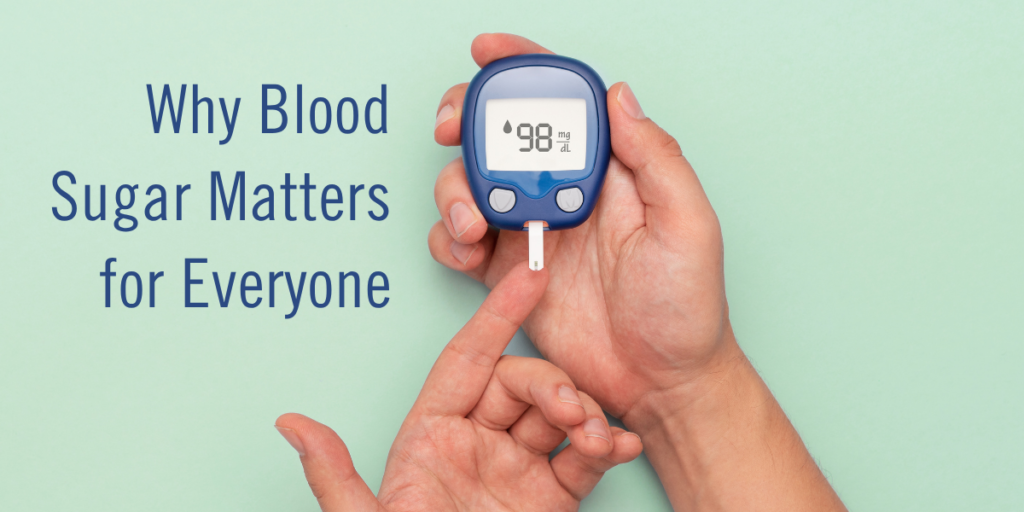
Monitoring blood sugar levels as a health metric has gained greater attention in recent years, driven by rising rates of diabetes. In fact, over 29 million Americans have a diabetes diagnosis, and another 11 million are estimated to have undiagnosed diabetes. What many may not realize is that understanding how to maintain a balanced blood sugar is an important aspect of health for everyone. The body’s ability to regulate blood sugar levels has an impact on various systems throughout the body. Including how susceptible someone may be to additional health challenges or symptoms in the presence of a dysregulated blood sugar, even without a diabetes diagnosis.
What is Blood Sugar?
Glucose in the bloodstream, aka blood sugar, is the body’s most readily available fuel source. We get this “sugar” in our blood primarily by eating foods that contain carbohydrates, which break down into glucose. In an ideal scenario, the presence of glucose signals the body that energy is available, and cells use glucose to do their daily functions. If an excess of glucose is present and it exceeds the body’s needs at a given time, this will be stored for later use. Our body is efficient and can handle this from time to time without significant effects. But if this pattern happens often or continues for months (even years) where we exceed the body’s energy needs regularly, this can start to result in weight gain, where fat cells expand their capacity to make room for excess energy. What often isn’t observed or closely considered are the effects of a dysregulated blood sugar on other body systems over time.
Blood Sugar and Daily Habits
While maintaining balanced blood sugar is important for everyone, this does not mean everyone needs to check their blood sugar levels daily. Instead, the focus should be on building blood sugar-friendly habits and routines. When daily habits are consistent, the body can operate like a “well-oiled machine”: using energy efficiently, resting when needed, and recalibrating to the ongoing demands of the day.
When daily habits are inconsistent, they add stress to the mind and body, depleting resources, including our mental and physical energy. This is especially true when habits that support blood sugar are inconsistent. Highly variable blood sugar levels, which result from eating inconsistently and/or eating large amounts of carbohydrate-rich foods, can lead to feeling like you’re on a bit of a “blood sugar roller coaster”. In fact, this is how the values appear when displayed on a graph, swinging from low to high and back down again, much like the ups and downs of a rollercoaster ride. This experience puts added stress on various systems in the body and leaves the body (and mind) feeling quite depleted. Thankfully, establishing consistency with daily habits allows for the regulation of blood sugar levels and a feeling of increased energy, focus, and vitality.
Blood Sugar and the Pillars of Wellness
At Summerfield, we talk about the pillars of wellness: nutrition, sleep, stress management, and activity. When these foundational aspects of health are in balance, individuals report feeling energized, optimistic, restored, and resilient. When the pillars are imbalanced, the body can compensate for a limited time, but if it happens repeatedly or the imbalance persists, effects will start to show. Any one of these pillars being imbalanced has the potential to impact blood sugar levels (with certain individuals being more or less sensitive in some areas). And the same works in reverse: an imbalanced blood sugar often impacts each of the pillars.
The Effects of Imbalance on the Pillars
When considering the four pillars, there are themes across each that connect back to blood sugar. An imbalance in blood sugar, whether high or low, will affect nutrition in multiple ways. When blood sugar is very low, this can cause intense hunger and cravings, and may lead to impulsive food decisions from a place of “energy deficiency”. If we respond to this low by eating a large volume of carbohydrates (a sugary drink, bakery treat, large meal without enough protein or fiber), this causes a sharp increase in blood sugar levels, which is followed by a sensation of “dropping”, leading to a rebound low blood sugar (the “roller coaster”). This puts more stress on the body as it tries to manage these blood sugar swings, leading to symptoms such as fatigue, irritability, and even weight gain. We even see impacts on stress hormones and sleep quality.
When it comes to sleep, having high or low blood sugar levels before bed, or having levels drop while sleeping, often leads to less restful, less restorative sleep. Someone may wake up feeling less energized, more tired, more irritable, less clear-headed, and with dysregulated hunger cues. Because our cells need glucose for energy, this energy deficiency has put added stress on the body during a time when it was intended to be recovering from the day. Instead, we go into the day feeling somewhat depleted, leading us to seek sugar (aka glucose) and possibly caffeine for a quick pick-me-up. If we lean on these too much, the cycle can continue, leaving us wired when it’s time to wind down.
As mentioned, a dysregulated blood sugar is a source of stress on the body. But we also have external sources of stress that have the potential to raise blood sugar, and a persistently high blood sugar level can signal stress to the body, even when nothing else is out of balance. Cortisol, commonly referred to as the “stress hormone”, comes into play here. Cortisol is released to stimulate the body, which in one case can occur when the body is stressed, and its purpose is to free up stored glucose so the body has energy available to “fight the tiger” (aka face the present source of stress). This puts glucose in the bloodstream, so our body has the energy it needs to “fight”. Unfortunately, stress in our modern world doesn’t often require physical activity, as most of our stressors are daily stressors are psychological. Therefore, managing these stressors helps to keep the body regulated, minimizing the need for excess glucose and preventing the fallout of high cortisol.
With movement as the final pillar, the connection to blood sugar is more direct and can be physically felt. Glucose is the primary fuel source, and when we are active, our muscles use this fuel at a much faster rate. Depending on the type of activity we engage in, for how long, and what we’ve eaten before, our blood sugar levels and stored glucose (aka glycogen) will fuel our active bodies. If we haven’t fueled properly in advance, we will run out of energy and begin to feel tired, need to slow down, or may compromise our form (ie in the case of running, weightlifting, etc). For some, including a source of carbohydrates during workouts can help to stabilize blood sugar levels. But this doesn’t mean we need to eat before all types of workouts; it all comes back to our daily habits and routines.
Back to Blood Sugar Basics
If the connection between all these details regarding the pillars feels like a lot to follow, that’s alright. The ins and outs of the scientific pathways that bring every piece together are less relevant than the fact that these aspects of our health are connected. Because blood sugar is the body’s primary fuel source, the trickle-down effect of having excess or not enough blood sugar regularly is far-reaching across various systems. The good news is that it’s manageable, with the right knowledge and habits. We can use tools like the Plate Method to build meals that support balanced blood sugar.
If you find that your efforts don’t quite support you in the ways that you’d like, nutrition counseling with a dietitian allows you expert assistance to build a plan that will work for you and your life. And our dietitians at Summerfield also support patients in managing stress, supporting sleep, and fueling for physical activity. Our signature Reset and Rebalance Your Blood Sugar program is an 8-week course that teaches you the specifics of blood sugar management for total-body health and vitality.
At the end of the day, supporting your blood sugar isn’t about perfection. It’s about consistency, awareness, and giving your body what it needs to function at its best. Small, intentional choices made over time can have a powerful impact on your energy, mood, metabolism, and long-term health.
